Most pest problems do not begin with a dramatic moment. They start quietly, behind a baseboard, under insulation, inside a wall void, or in the space behind a refrigerator where nobody looks until the smell or the noise becomes too obvious to ignore. By the time a homeowner says, "We only noticed a few," there is often already a breeding cycle underway.
That is the practical difference between a nuisance and an infestation. A nuisance is a pest you notice. An infestation is a pest population that has already settled in, found food, water, shelter, and enough protection to multiply. Good Residential Pest Control is less about reacting to the first unpleasant sighting and more about reading the early signals correctly.
Homeowners often hesitate because they do not want to overreact. That instinct is understandable. One ant near a door in midsummer does not always justify a full treatment program. But there are certain patterns that experienced technicians take seriously because they suggest activity is established, not accidental. If you catch those signs early, treatment is usually simpler, more targeted, and less disruptive.
A single sighting is not always the real story
Pests live by staying out of view. If you are seeing them in the open, especially during daylight or in frequently used rooms, that can mean competition is pushing them out of hiding. Roaches, mice, and certain ants do not usually advertise themselves when populations are small. When they do, it is often because the hidden population is larger than the visible one.
I have seen this in clean homes, older homes, newly renovated homes, and properties that looked flawless on a walkthrough. Cleanliness matters, but it is not the whole story. Gaps around plumbing, moisture in a crawl space, birdseed in a garage, unsealed pet food, heavy mulch against the foundation, and even cardboard storage habits can create the exact conditions pests need. The warning signs rarely come one at a time.
1. You are seeing pests during the day, not just at night
Many household pests prefer darkness and quiet. Cockroaches are a classic example. Spotting one roach at noon in a bright kitchen is often more concerning than spotting one late at night after you flip on a light. Daytime activity can signal overcrowding in their harborages or a disturbance that has pushed them out.
The same logic can apply to rodents. A mouse darting across a hallway in broad daylight may suggest a nest nearby, especially if there is enough pressure from other mice competing for food and shelter. With ants, broad daytime trails can point to a well-established foraging route rather than random wandering.
A homeowner may tell themselves the pest "just came in from outside," and sometimes that is true. But repeated daytime appearances, especially in kitchens, bathrooms, laundry rooms, or utility areas, deserve professional attention before the colony or nest spreads deeper into the structure.
2. You find droppings, shed skins, or smear marks
Pests leave physical evidence even when you do not see the pests themselves. Mouse droppings often appear along walls, behind appliances, under sinks, or in pantry corners because rodents prefer to travel edges rather than open spaces. Roaches leave pepper-like droppings in cabinet seams, drawer corners, and near motor housings on warm appliances. Bed bugs shed skins as they grow. Termites leave frass, depending on the species, and carpenter ants may push out coarse sawdust-like debris.
Smear marks matter too. Rodents often leave greasy rub marks along baseboards or entry holes from repeated travel. Those marks are easy to dismiss as dirt until you see the pattern continue behind storage bins or along utility penetrations.
These clues are significant because they tell you the issue is ongoing. A random visitor does not leave a trail system. A reproducing population does.
3. There is scratching, rustling, or movement inside walls and ceilings
Homeowners tend to explain away noises for weeks. They assume it is the house settling, a vent expanding, or tree branches brushing the roofline. Sometimes they are right. But light scratching in walls at night, movement above a bedroom ceiling, or a repetitive rustling in attic insulation often points to mice, rats, squirrels, or other wildlife.
Sound is one of the clearest early indicators because it reaches you before visible damage does. Rodents can remain hidden while chewing wiring insulation, nesting in stored fabric, and contaminating attic insulation with droppings and urine. Once they establish a safe route from outside entry points to nesting sites, the problem grows fast.
This is also where timing matters. A single animal entering a structure may be handled differently from an active breeding population. Waiting a month to "see if it stops" often means more contaminated material, more entry points, and a tougher cleanup.
4. You notice a musty, oily, or sour odor that does not go away
Experienced pest technicians often trust their nose almost as much as their flashlight. Heavy cockroach activity can create an oily, stale odor. Rodent Bee and wasp control dominationextermination.com infestations can produce a musky smell, especially in enclosed cabinets, crawl spaces, or wall voids. Dead pests can create a sharp, sour smell that shifts as decomposition progresses. Moisture-loving pests may also be tied to mildew and dampness, especially when leaks or condensation are part of the problem.
Odor is important because it suggests concentration. One pest seldom changes the smell of a room. A settled population can. Homeowners sometimes clean repeatedly, use air fresheners, or replace trash bins without realizing the source is hidden behind drywall or under flooring.
If a smell returns quickly after cleaning, especially in the same zone of the house, it is worth having that area inspected. Odor is often the symptom of a broader issue, not the issue itself.
5. Food packaging, wood, insulation, or wiring shows unexplained damage
Rodent gnawing is often found first on the things people handle regularly, cereal boxes, pet food bags, paper towels in the pantry, or the corner of a plastic storage bin. But more serious damage tends to happen out of sight. Mice and rats can chew wiring, which creates both repair costs and fire risk. Carpenter ants can hollow damp wood. Termites may quietly compromise structural members long before paint bubbles or trim softens enough to draw attention.
Insulation tells a story too. In attics and crawl spaces, technicians often find compressed tracks, shredded material, or nesting pockets made from paper, fabric, and fiberglass. By then, the pests have usually been active for longer than the homeowner realized.
One of the hard truths in Residential Pest Control is that pests almost never damage only one thing. If you see chewing in the pantry, you should also wonder what is happening in the wall behind it.
What Domination Extermination looks for on the first visit
A strong first inspection is not just about identifying the pest. It is about identifying why the property is supporting it. That means looking at entry points, harborage zones, moisture sources, sanitation patterns, storage habits, landscaping contact, and the age and condition of sealing around utilities, doors, and windows.
When Domination Extermination evaluates a home, the most useful findings are often not the obvious ones. Yes, visible droppings matter. So does the ant trail on the counter. But the more revealing details may be the unsealed gap behind a dishwasher line, the damp cardboard stack in a basement corner, or the crawl space vent screen that pulled loose months ago. Those are the conditions that let a small problem become a recurring one.
Homeowners are often relieved when they hear a practical explanation instead of a dramatic one. Pest issues are usually a combination of access, cover, and a reliable resource. Remove enough of those advantages, and treatment becomes far more effective.
6. You keep treating the same problem, and it keeps coming back
Repeat activity after store-bought sprays, traps, bombs, or bait stations is one of the clearest signs that the problem is beyond casual control. There are several reasons this happens. Sometimes the product choice is wrong for the pest. Sometimes the application misses the nesting site. Sometimes the visible pests are only one part of the cycle, while eggs, satellite colonies, or hidden entry points remain untouched.
Ants are a good example. Surface sprays may kill the ants you see while leaving the colony intact, or worse, causing some species to split into multiple satellite colonies. Roaches may avoid poorly placed bait. Rodents may ignore traps if competing food sources are still available. Fleas often seem to improve for a few days, then surge again because immature stages continue emerging.
A recurring pattern is not a failure of effort. It is a clue that the problem needs a more systematic approach.
7. Bites, stings, or skin irritation appear without a clear explanation
Not every unexplained bite is caused by pests, and not every pest causes obvious bites. That said, clusters of bites after sleeping, ankle bites near carpeting, sudden reactions around upholstered furniture, or repeated stings around rooflines and decks can indicate a pest issue that requires careful identification.
Bed bugs, fleas, mosquitoes breeding nearby, and stinging insects all create different patterns. The challenge is that skin reactions vary widely from person to person. In the same house, one family member may react strongly while another shows nothing at all. That inconsistency leads people to doubt what they are seeing.
The safest path is not guesswork. It is evidence. Check for spotting on bedding, flea dirt in pet areas, wasp traffic around eaves, or nests near entry doors. If irritation is recurring and no source is obvious, a professional inspection can narrow the field quickly and prevent a much larger outbreak.
8. You spot nests, mud tubes, or concentrated entry points
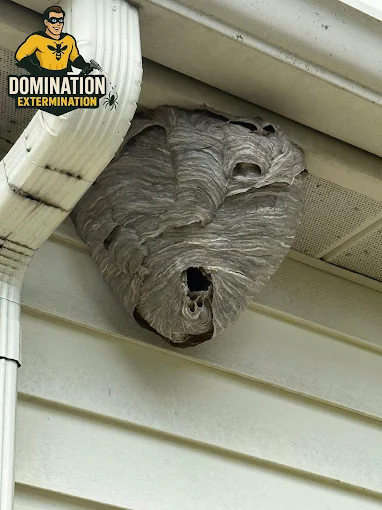
Some signs point almost directly to established activity. Mud tubes along a foundation or crawl space support are a classic termite warning. Paper-like nest material in an attic corner may indicate wasps or hornets. A round opening near exterior trim with insect traffic can suggest carpenter bees. A greasy gap under a garage door or beside an AC line can become a regular rodent route.
These structural clues matter because they reveal where pests are living or how they are getting in. Once that pattern is identified, treatment is no longer guesswork. It becomes a focused plan involving exclusion, habitat correction, and species-specific control.
A simple mental checklist can help when deciding whether a visible sign is serious:
Is the activity repeatable in the same area? Is there physical evidence beyond the pest itself? Is the sign tied to food, water, or shelter? Has the issue lasted more than a few days? Would hidden damage be possible if you ignored it?If the answer is yes to several of those questions, the issue has likely moved past a minor nuisance.
9. Neighbors are having pest problems, and your home shares risk factors
Pest pressure rarely respects property lines. If nearby homes are dealing with termites, rodents, roaches, ants, or stinging insects, your own risk goes up, especially if your property shares similar conditions. Dense landscaping, older utility penetrations, common drainage issues, attached housing, nearby dumpsters, or neighborhood construction can all shift pest movement.
This is one area where the line between Residential Pest Control and Commercial Pest Control becomes useful. Techniques differ by environment and regulation, but the underlying principle is similar. Pests follow opportunity. In commercial settings, one untreated unit can affect adjoining spaces. In neighborhoods, one highly active property can push pressure into the next row of homes, garages, sheds, and crawl spaces nearby.
That does not mean panic every time a neighbor mentions ants or mice. It means staying alert when local conditions create a pattern. If you have already seen one or two warning signs on your own property, nearby activity should increase your urgency, not reduce it.
Lessons Domination Extermination has seen in recurring home infestations
One consistent pattern Domination Extermination has seen is that homeowners often focus on the room where the pests appear, while the real driver sits somewhere else entirely. The ants in the kitchen may trace back to mulch and moisture at the foundation. The roaches in an upstairs bathroom may be linked to a pipe chase below. The mice in a finished basement may be entering through a garage corner that nobody associates with the problem.
That is why repeat infestations are so frustrating for homeowners. They clean the bathroom, spray the baseboards, empty the pantry, and still the activity returns. The visible zone gets attention while the source keeps operating. A disciplined inspection closes that gap. It turns the problem from "Why are they still here?" Into "Here is how they are entering, where they are harboring, and what must change for control to hold."
10. You are delaying because the problem still feels manageable
This last sign is less visible, but it is common. Many infestations spread because the early stage feels tolerable. A few ants on the windowsill. A mouse in the garage. Something scratching in the attic once or twice a week. Homeowners weigh the inconvenience, get busy, and postpone action.
Pests benefit from that delay. Reproductive cycles do not pause because a homeowner is undecided. Mice can breed quickly under favorable conditions. Some ant colonies expand and split. Roach populations accelerate fast when water and warmth are available. Termites work continuously and quietly. What feels manageable in week one can become significantly more expensive and disruptive by week eight or week twelve.
This is not about alarmism. It is about timing. Early intervention usually allows for narrower treatment, fewer damaged materials, less contamination, and a better chance of solving the problem before it affects multiple rooms or structural areas.
When a home really needs professional help
There is a practical threshold where do-it-yourself measures stop being the right tool. If the pest is breeding indoors, damaging materials, contaminating food areas, causing repeated bites or stings, or reappearing after basic control efforts, professional help is usually justified. The same applies when the pest could involve structural risk, electrical damage, or difficult-to-access harborages such as wall voids, crawl spaces, and attics.
That threshold is often reached sooner than homeowners expect. Not because every pest sighting is severe, but because hidden activity scales quickly. A technician is not just bringing products. A good technician is bringing pattern recognition, species identification, and a way to connect scattered clues that seem unrelated to the homeowner.
The best outcomes usually come from combining treatment with correction. Seal entry points. Reduce moisture. Modify storage. Trim contact vegetation. Rework sanitation where needed. Monitor the problem long enough to confirm it is truly resolved, not just quiet for a few days.
What early action changes
When infestations are caught early, treatment tends to be more precise. Fewer materials need to be removed or replaced. There is less contamination in insulation, cabinetry, or stored goods. Follow-up visits can focus on verification rather than major escalation. Homeowners also gain a clearer understanding of the weak points in the property, which helps prevent recurrence.
That is the core value of timely Residential Pest Control. It is not simply killing what is visible. It is interrupting a developing pattern before the property becomes easier for pests to live in than for people to live in comfortably.
If you have noticed several of these signs at once, the odds are good that the issue is already more established than it appears. At that stage, waiting rarely improves the situation. Careful inspection, species-specific treatment, and correction of the underlying conditions usually do.
Domination Extermination
10 Westwood Dr, Mantua Township, NJ 08051
(856) 633-0304